
Cold Laser Therapy - How It Works and What It Treats

Cold Laser Therapy - How It Works and What It Treats

Cold Laser Therapy - How It Works and What It Treats

Cold Laser Therapy - How It Works and What It Treats
Cold laser therapy, also called low-level laser therapy, photobiomodulation, or soft laser biostimulation. It uses low levels of light to help damaged tissues heal. Unlike surgical lasers that cut or burn, cold lasers do not heat the tissue. The light passes through the skin and is absorbed by cells, which then begin to repair and grow.
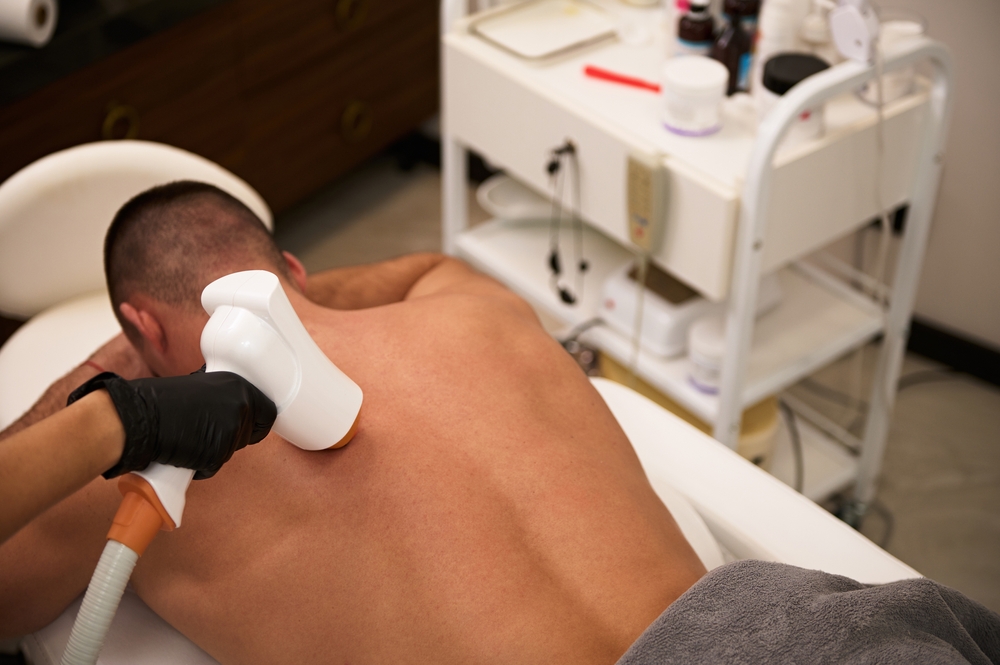
A doctor or therapist will place a small device, about the size of a flashlight, on your skin where you are hurt. You may feel a light touch, but there is no heat, vibration, or noise. Each session lasts just a few minutes. Depending on your needs, you might need several treatments over a few weeks.
How Does It Work?
Red and near-infrared light power cold laser therapy. The type of light used determines how deep it can reach. Shorter wavelengths treat surface problems, while longer wavelengths reach deeper into the tissues.
When the light reaches your cells, it triggers a series of changes. It helps your cells produce more energy, reduces inflammation, and improves blood flow in the area. These effects help tissues heal faster and can ease pain without medication.
What Does Cold Laser Therapy Treat?
People turn to cold laser therapy for many conditions, especially those involving pain, inflammation, or tissue repair.
- Pain From Injuries and Arthritis
Clinicians use cold laser therapy to treat muscle strains, sprains, and joint pain. People with arthritis, including rheumatoid arthritis, often find relief from swollen, painful joints. Sports medicine and physical therapy clinics also use it to help athletes recover more quickly.
- Inflammation
Dentists use cold lasers to treat inflamed gums and mouth sores. Doctors also use this therapy to reduce swelling from autoimmune conditions or injuries.
- Wound Healing
Doctors use cold laser therapy to help heal wounds that are slow to recover, like diabetic foot ulcers. The light helps new tissue grow and may speed up healing.
- Skin Issues
Dermatologists use cold lasers to refresh the skin and treat conditions such as acne, scars, and burns. This therapy can also help stimulate hair growth for some types of hair loss.
- Nerve Pain and Conditions
Some research suggests cold laser therapy may help with nerve pain from conditions like carpal tunnel syndrome or Bell’s palsy, a condition that causes weakness in the facial muscles.
- Acupuncture Without Needles
Acupuncturists sometimes use cold lasers on pressure points for people who prefer not to use needles. The light activates the same points without breaking the skin.
Is It Safe?
A trained professional can safely give cold laser therapy. The procedure is noninvasive and usually has very few side effects. Some people may notice temporary redness or mild soreness, but serious problems are rare.
Cold laser therapy should not be used over cancer, the thyroid, or the eyes. Experts also recommend that pregnant women avoid it, since its effects on a developing baby are not well understood.
Does It Work?
Research is still ongoing, and results depend on what is being treated. Some studies show benefits for pain, inflammation, and wound healing, while others are less clear. Cold laser therapy seems to work best when used with other treatments, not as the only solution.
One downside is that it can take time; several sessions over a few weeks may be needed before you notice improvement. The therapy can also be expensive, and insurance might not cover it.
For more information, contact Jassy Chiropractic Center in Midlothian, Virginia, at (804) 379-1145.
https://www.healthline.com/health/cold-laser-therapy
https://www.medicalnewstoday.com/articles/cold-laser-therapy


Our Services
Hours of Operation
- Monday, Wednesday, & Thursday
- 7:30am-12:00pm, 1:45pm-6:00pm
- Tuesday
- 7:30am-12:00pm
- Friday
- 7:30am-10:00am
- Saturday & Sunday
- Closed
Contact Info
© 2026 Jassy Chiropractic Center - All Rights Reserved - Accessibility Statement - Sitemap
Powered by:
